
BASIC GUARD TERMINOLOGY
A good pin isolates your opponent’s shoulders, head, and hips so they can’t frame, bridge, or escape easily. This is done by controlling key areas of their body with tight weight distribution, active posting, and framing with your limbs. You want to eliminate space and force your opponent to carry your weight. Unlike submissions that require a moment, pins require sustained pressure. The longer your pin is stable and suffocating, the more your opponent burns energy and exposes new openings.
HOOK-BASED GUARDS
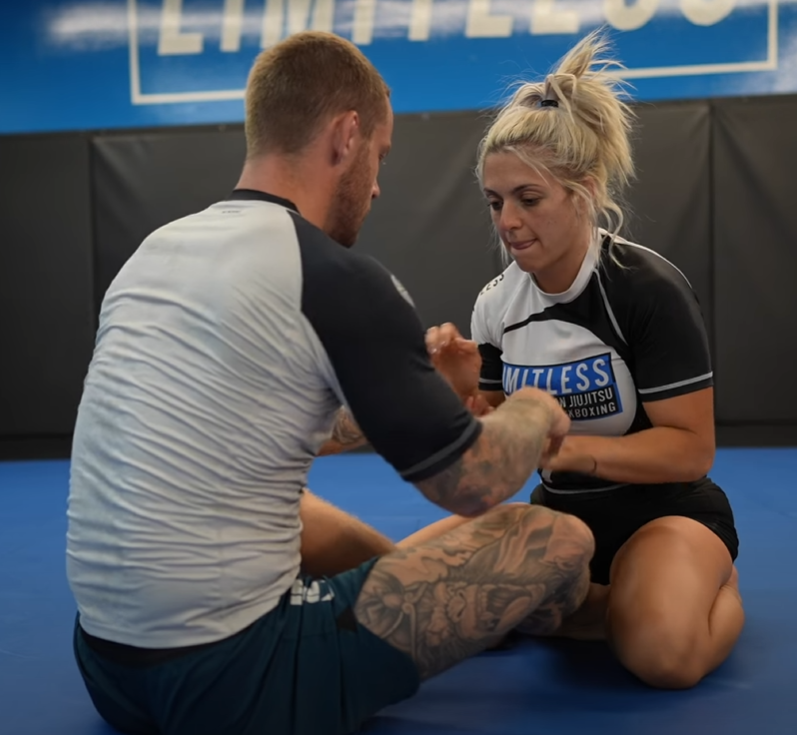
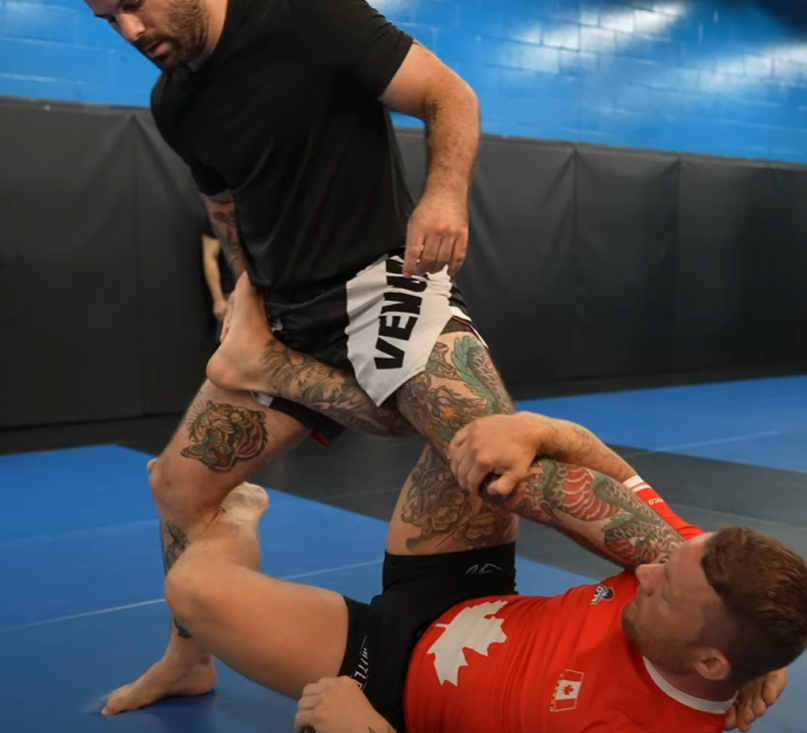
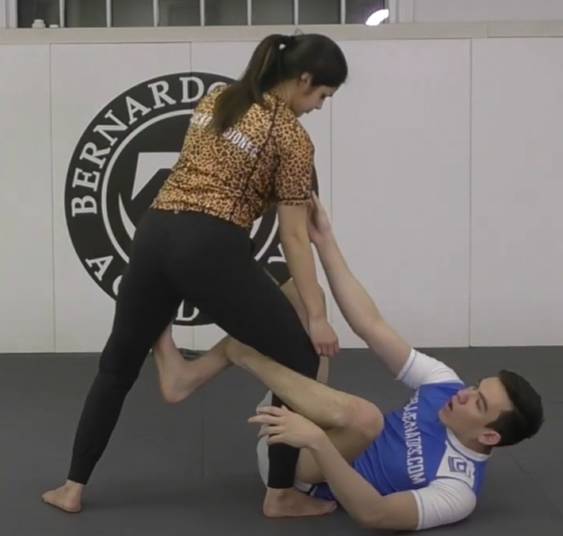
A guard is hook-based if you track and check your opponent's movements by "hooking" them with your arms or legs. The hooks are normally shallow. Hook-based guards normally don't immobilize your opponent, but rather allow you track your opponent's movements and respond reactively. Hooks are often used to elevate your opponent's body in dynamic ways.
BUTTERFLY GUARD
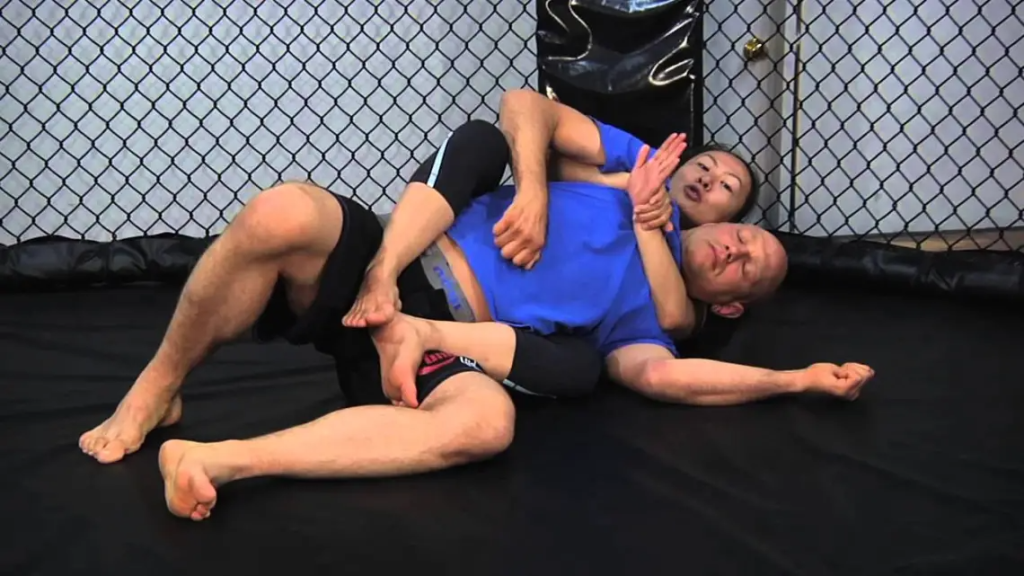
A cross-body pin that traps the opponent’s near arm and hip, limiting movement while setting up submissions or transitions. Common attacks are D’Arces, Americana, Kimura, and Triangles.
X-GUARD
A top pin where you face their legs while controlling their upper body, often used to isolate arms or attack chokes. Common attacks are Leg Americanas, Kimuras, Arm Triangles, and even Compression Chokes.
DE LA RIVA
A side pin where you sit beside the opponent while controlling their head and arm, using tight hip pressure and upper body framing. Common attacks are the North-South choke, but also a position to set up Arm Locks and Kimuras.
CLAMP-BASED GUARDS
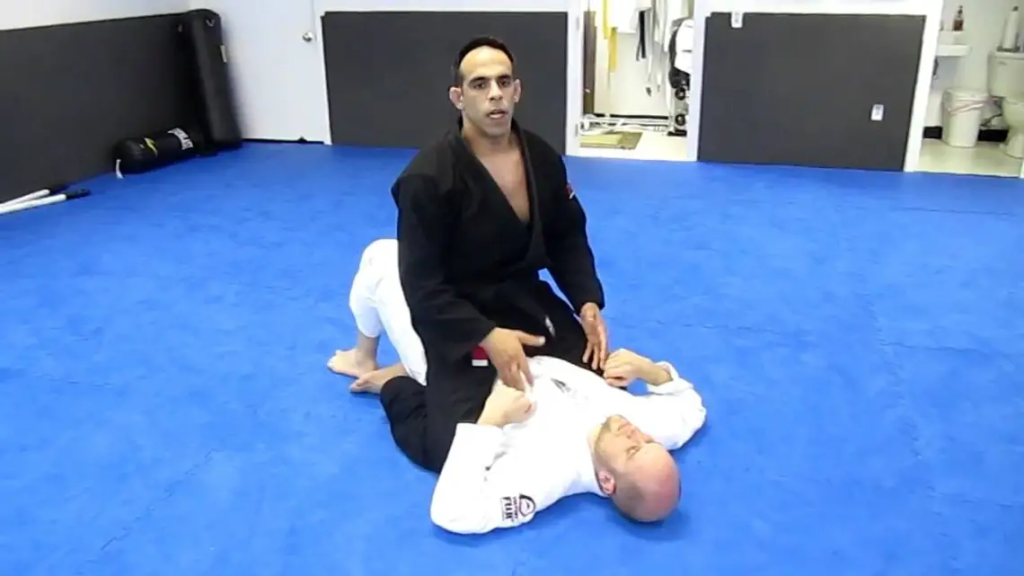
A guard is clamp-based if you are tethering yourself to your opponent and hindering your opponent's movement. Many traditional guards are clamp-based. Clamp-based guards are used to trap and slow down your opponent, putting them in unathletic situations. Clamp-based guards can be risky because they may allow your opponent to lift you up or pressure you with weight.
HALF GUARD
A powerful top position where your knees and hips pin their torso flat, limiting their ability to escape or frame. Common attacks are Americana, Arm Triangles, Mounted Triangles, and setting up Arm Locks.
KNEE SHIELD
A dominant position where you control your opponent from behind using hooks or a body triangle to isolate their upper body and attack the neck. Common attacks are Rear Naked Chokes, Arm Locks, and Rear Triangles.
CLOSED GUARD
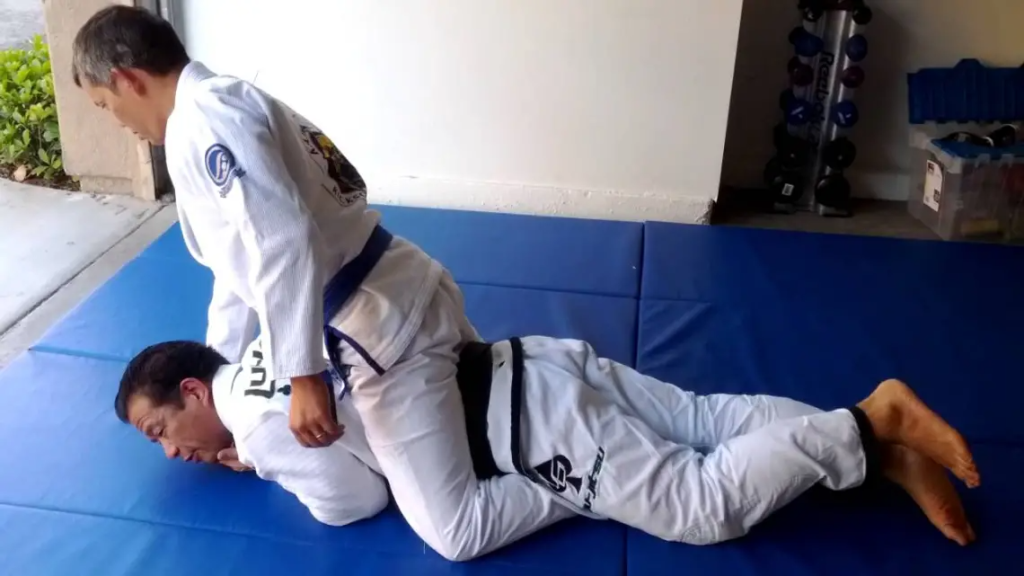
The Mount position, but your opponent is completely flattened on their belly, considered the worst pin position to be stuck in. The most common attack is a Rear Naked Choke.

